


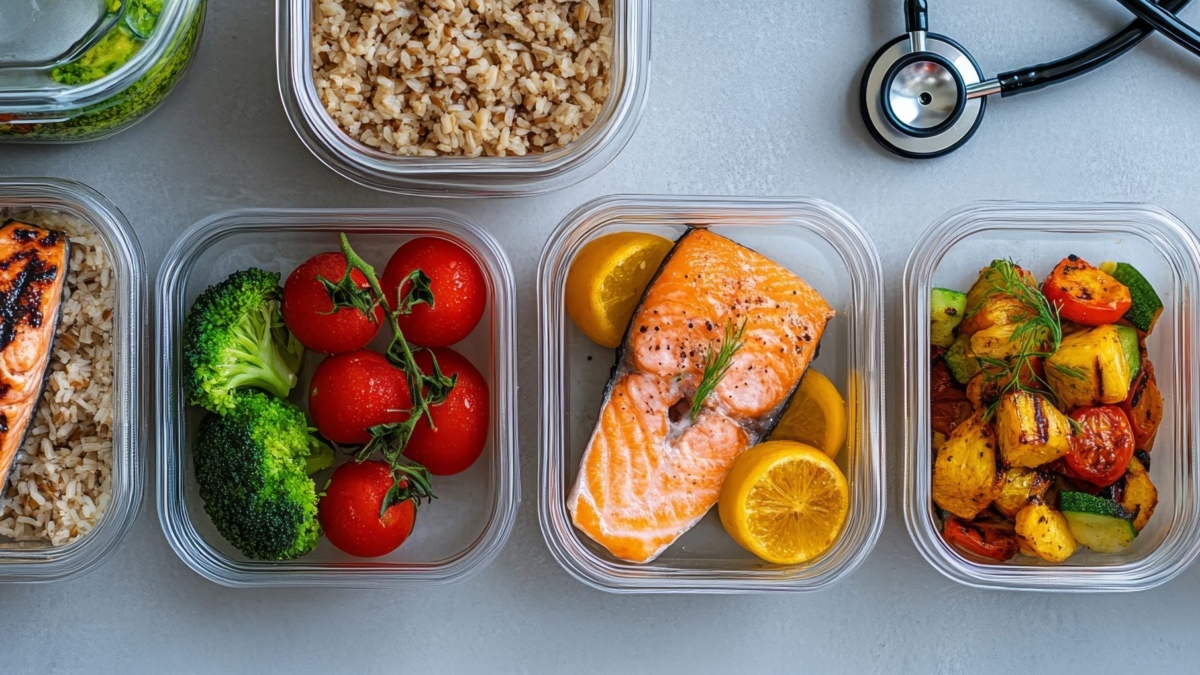
7-Day High-Protein Meal Plan
Planning meals for an entire week can feel like a lot of work, especially when you’re trying to include enough protein without eating the same things every day. This 7-day high-protein meal plan brings together simple breakfasts, satisfying lunches, balanced dinners, and practical meal-prep ideas to make the week easier to organize.
Think of it as a flexible framework rather than a strict schedule. Mix and match meals, adjust portions, add snacks, or swap ingredients based on your preferences and nutritional needs.
A Week Built Around Protein
Protein is an important part of a balanced diet and can be found in everything from eggs, poultry, fish, and lean meats to dairy products, legumes, grains, nuts, and seeds.
Instead of trying to fit all your protein into one meal, spreading protein-rich foods throughout the day can make meals feel more balanced and satisfying.
Your ideal intake will depend on factors such as age, body size, activity level, goals, and overall health. There is no single protein target that works for everyone, so use this plan as inspiration rather than a prescription.
How to Use This Meal Plan
The goal is to make planning simpler, not more restrictive.
Use the weekly schedule as a starting point and make adjustments where needed. Add fruit, snacks, beverages, desserts, or additional portions depending on your appetite and nutritional requirements.
You can also replace any meal with something similar. If you prefer a different breakfast, want to use leftovers for lunch, or need a vegetarian alternative, the plan can easily be adapted.
For more personalized nutrition guidance, especially if you have a medical condition or specific dietary requirements, consider speaking with a registered dietitian or other qualified healthcare professional.
Your 7-Day Meal Guide
MONDAY
Breakfast: Breakfast Quesadilla
Lunch: Buffalo Chicken Rice Bowl
Dinner: Ratatouille Lasagna with a Fresh Caesar-Style Salad
Daily focus: A protein-rich start with a hearty dinner built around vegetables and comforting flavors.
TUESDAY
Breakfast: Peach Pie Cottage Cheese Bowl
Lunch: Buffalo Chicken Rice Bowl
Dinner: Braised Beef with Corn Tortillas, Avocado & Southwestern Black Bean Salad
Daily focus: Creamy cottage cheese, flavorful chicken, and a satisfying beef-and-bean dinner create plenty of variety.
WEDNESDAY
Breakfast: Peach Pie Cottage Cheese Bowl
Lunch: Buffalo Chicken Rice Bowl
Dinner: Leftover Braised Beef with Cilantro-Lime Cauliflower Rice & Black Bean Salad
Daily focus: A smart leftover night keeps cooking to a minimum while giving yesterday’s dinner a fresh presentation.
THURSDAY
Breakfast: Breakfast Quesadilla
Lunch: Buffalo Chicken Rice Bowl
Dinner: Pork Milanese with Kale & Apple Slaw and Roasted Sweet Potatoes
Daily focus: Crispy, savory pork paired with fresh greens and roasted vegetables makes an easy but satisfying combination.
FRIDAY
Breakfast: Strawberry Banana Smoothie
Lunch: Tuna Poke Salad
Dinner: Sheet Pan Shrimp Oreganata with Orzo, Zucchini & Tomato
Daily focus: Seafood takes center stage, with fresh produce and grains rounding out the day’s meals.
SATURDAY
Breakfast: Lox & Eggs with Onions, Whole-Grain Toast & Mixed Berries
Lunch: Italian-Style Sub Broccoli Salad
Dinner: Dinner Out
Daily focus: A flexible weekend lineup leaves room for enjoying a meal away from home without overcomplicating the rest of the day.
SUNDAY
Breakfast: Zucchini Oats
Lunch: Thai-Inspired Chicken Salad
Dinner: Whole-Wheat Linguine with Sausage & Roasted Peppers, plus Shredded Brussels Sprouts Salad
Daily focus: A flavorful mix of grains, vegetables, chicken, and sausage brings the week to a satisfying close.
Make Meal Planning Easier
A little preparation can make the entire week run more smoothly.
Cook once, use twice.
Prepare larger portions of chicken, beef, grains, or vegetables and turn the leftovers into another meal.
Keep flexible staples nearby.
Eggs, Greek yogurt, cottage cheese, canned tuna, beans, frozen vegetables, and whole grains can quickly become the foundation of a meal.
Build meals instead of following rules.
Think of each meal as a combination of protein, vegetables or fruit, carbohydrates, and healthy fats. The exact ingredients can change from day to day.
Leave room for real life.
A meal plan should support your routine, not make it harder. Restaurant meals, snacks, celebrations, and spontaneous dinners can all fit into a balanced week.
A Practical Protein Strategy
If you’re trying to include more protein in your meals, start by choosing a protein source first and build the rest of the meal around it.
For breakfast, that might mean eggs, yogurt, cottage cheese, or a protein-rich smoothie. Lunch could center around chicken, tuna, beans, or another convenient option. Dinner can rotate between poultry, seafood, lean meat, legumes, and other protein sources.
The result is a week with more variety and less guesswork.
Flexible, Not Perfect
A weekly meal plan doesn’t need to be followed perfectly to be useful. Some days will look different from others, and your appetite and schedule may change.
Use the plan as a roadmap: repeat the meals you enjoy, replace the ones you don’t, adjust portions, and make room for snacks and foods that fit your lifestyle.
A Note on Individual Needs
Nutritional needs vary considerably from person to person. Calorie and protein requirements depend on factors such as age, body size, activity, goals, and health status.
People with certain kidney, liver, metabolic, or other health conditions may need specific guidance regarding protein intake. If you are considering a significant dietary change, speak with a qualified healthcare professional or registered dietitian for advice suited to your individual needs.